
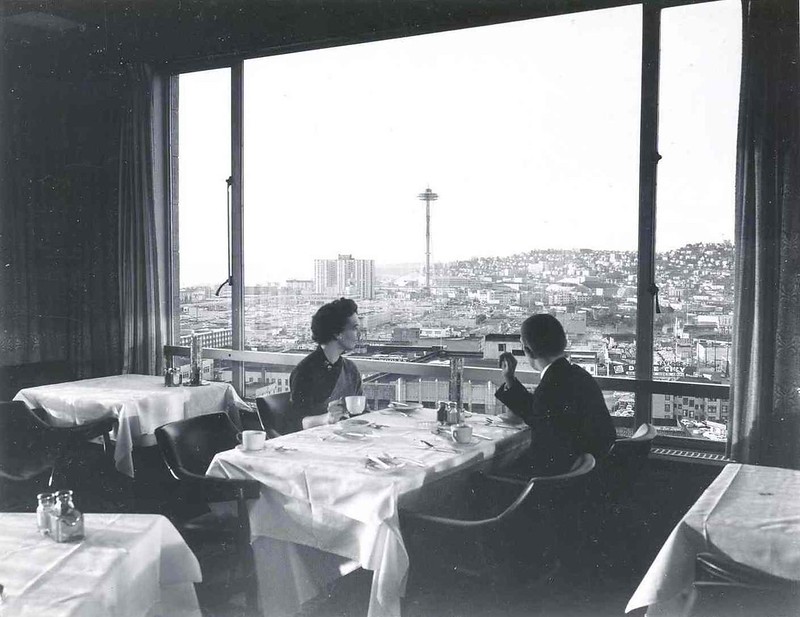
Homes built in King County neighborhoods during the post-World War II housing boom have long been dwindling in number – cleared to make way for newer homes that better fit current families and lifestyles.
“Our region’s soaring property values and its rapidly growing population have led to losing many of these homes,” said Jennifer Meisner, King County Historic Preservation Officer. “Because they are typically smaller than current standards, but often have desirable views and mature landscaping, these homes are vulnerable to demolition for larger developments.”
Recognizing the increasing property values and development pressure on older homes, the King County Landmarks Commission, in collaboration with Historic Preservation Program staff and consultants, embarked in 2017 on an ambitious project to recognize and designate mid-century modern residences.
“Homes that represent specific architectural styles, types, or methods of construction help tell the story of our local heritage and maintain a connection to unique and important periods in our history,” Meisner said. “Mid-century modern captures the optimism and forward-thinking spirit of the post-World War II era, which was a time of significant economic growth, suburban expansion, and changes in the way people lived.”
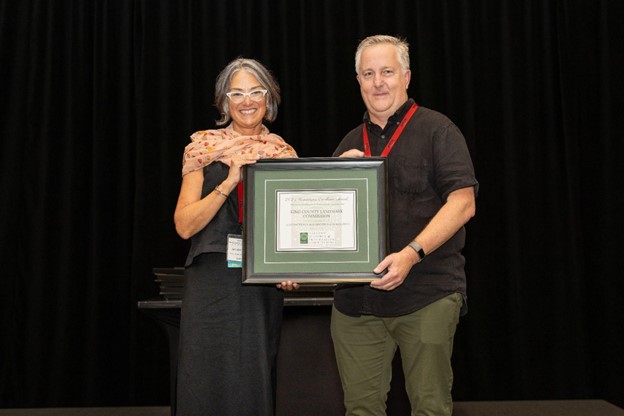
Meisner, her Historic Preservation colleagues and the King County Landmarks Commission were recently honored by the National Alliance of Preservation Commissions for their mid-century modern preservation work.
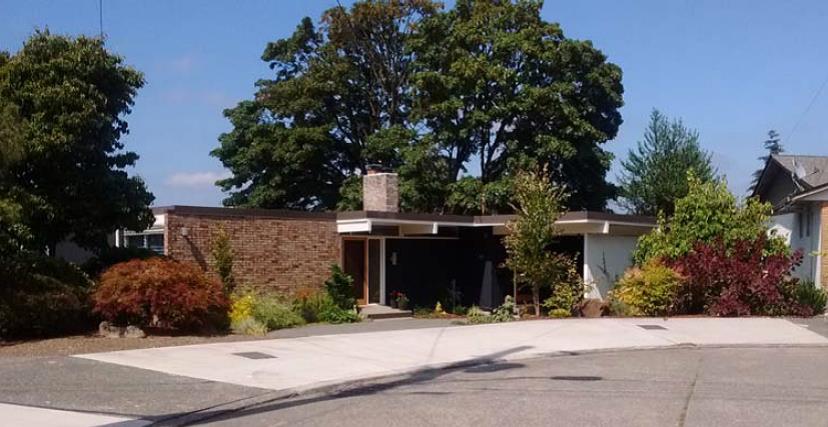
Meisner said the period’s design characteristics represents a time technological ingenuity, with new construction techniques and materials such as steel, glass, and concrete widely used.
“These homes reflect a distinctive architectural movement that emphasized simplicity, functionality, and modernity, setting them apart from traditional styles,” Meisner said. “Designed with energy efficiency in mind, mid-century modern homes took advantage of natural light and passive heating and cooling techniques, aligning them with today’s sustainability goals.”
She said increasing awareness of mid-century modern homes’ historical significance and the growing interest in landmark designation among homeowners highlighted to Historic Preservation Program employees the need for additional tools to recognize and protect these unique resources.
While the Historic Preservation Program had established a similar designation process for Snoqualmie Valley dairy farms with houses, and with some residential properties in Kirkland and Fall City, Meisner said building the countywide mid-century modern designation for homes built between 1946 and 1976 was much more complex.
“We weren’t alone in needing a comprehensive framework to preserve post-World War II residential resources, but no such framework exists in the state or region, so we moved forward with creating our own preservation framework from the ground up,” she said.
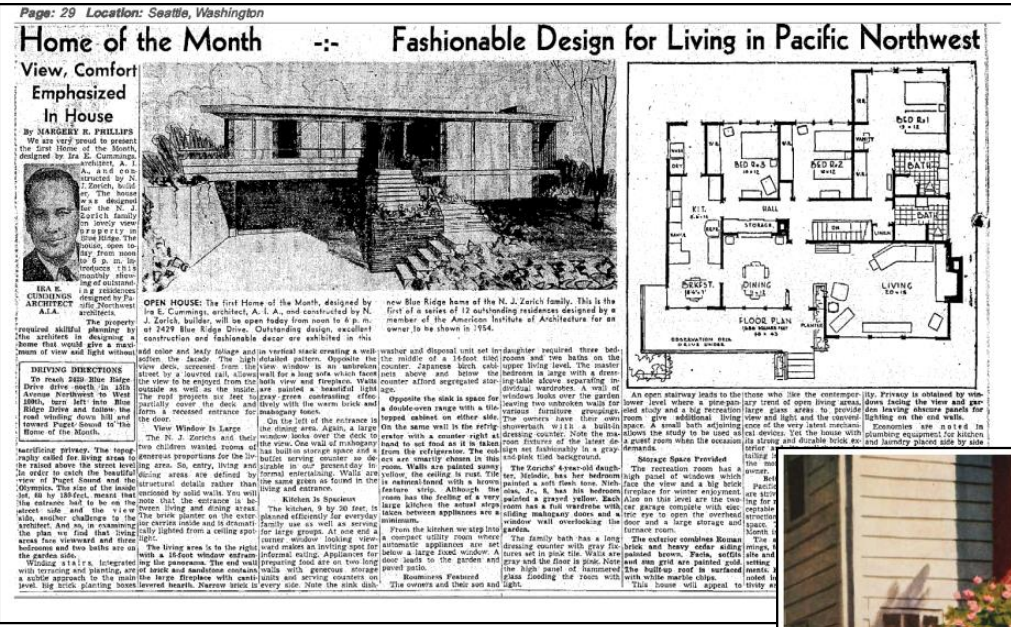
Recognizable by their clean lines, open floor plans, large windows, and deliberate integration with nature, Meisner said architects and builders in the Pacific Northwest began experimenting with modern architectural concepts for homes as early as the 1930s. It wasn’t until the end of World War II when innovations in financing, design, and construction techniques paved the way for the post-war housing boom.
Homes of that era displayed many different architectural styles, but there were certain features most post-war homes shared – particularly in the rainy, temperate Pacific Northwest.
“There was a deliberate orientation toward indoor-outdoor space in home designs, and embracing multi-use spaces,” Meisner said. “A new informality emphasizing a casual lifestyle and family life was introduced. Materials such as steel, glass, and concrete were widely used. We can clearly see the stress on these design characteristics and these materials in post-war suburbs and modern houses in other settings, too.”
Mid-century modern homes can be found in varying density in communities across King County.
“Neighborhoods that were developed in the post-war period and that have passed the 40-year threshold for local landmark designation and meet certain eligibility requirements could qualify for enrollment in the program,” Meisner said.
A home in Issaquah was the first property to receive the new mid-century modern designation. Meisner said there are hundreds – if not thousands – of homes are eligible in cities and unincorporated areas across King County.
The completed body of work, which included a context statement to identify areas of concentration, prevalent styles, and housing types in the region, culminated in a comprehensive “Mid-Century Modern Residential Multiple Property Document” that provides an extensive overview of mid-century modern history and context, delineates architectural styles, and outlines criteria for designation.
Accessible online, it also streamlines the nomination process, significantly reducing costs and offering new opportunities for modest mid-century modern homes to achieve landmark status and receive protection. And the material can serve as a pioneering model for preservation efforts statewide and beyond.
 DNRP Field Notes